
Getting Outside This Spring: Learning Beyond the Classroom
Alison Petersen • April 14, 2026

As the weather warms, children take learning outside—exploring, discovering, and growing in nature.

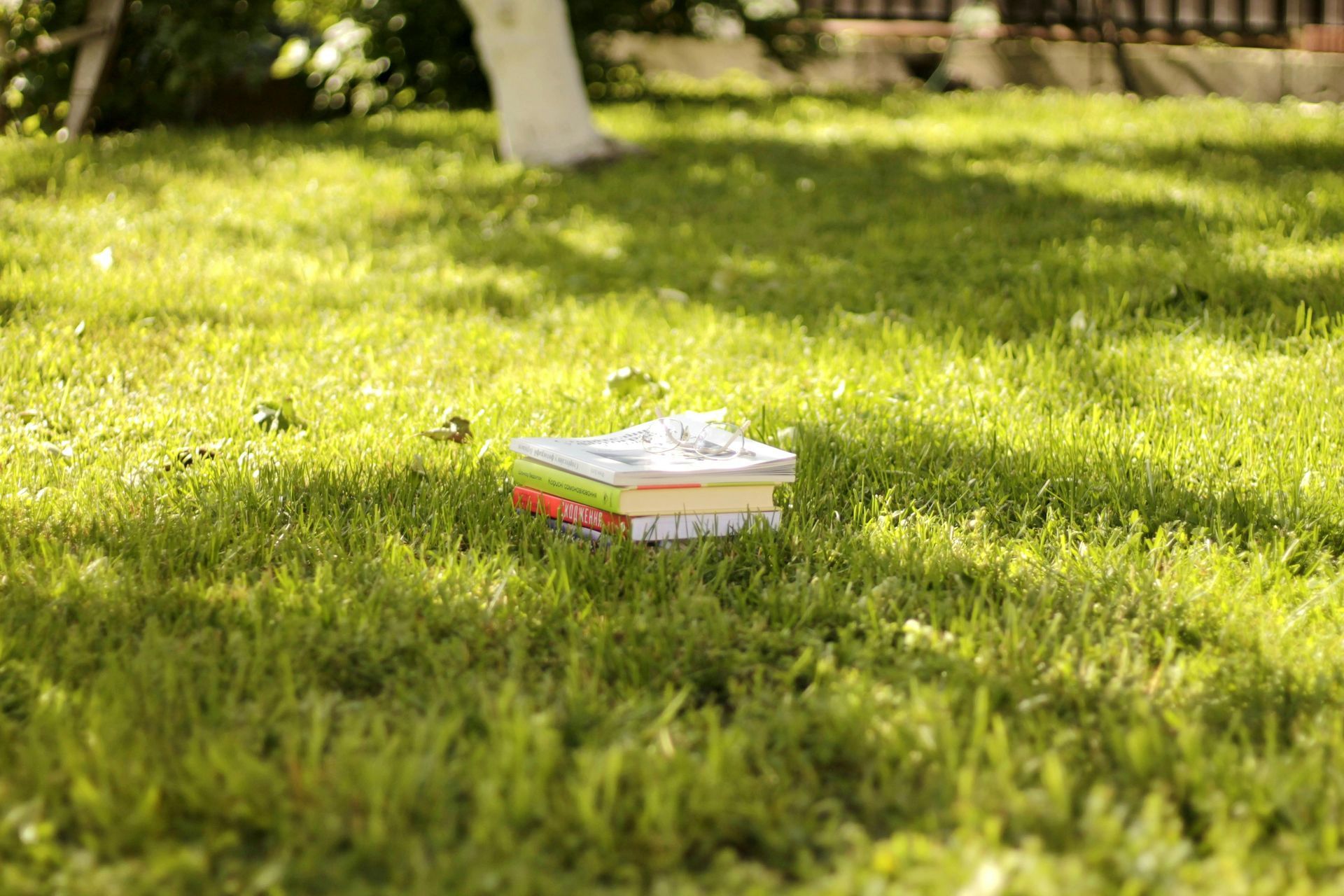
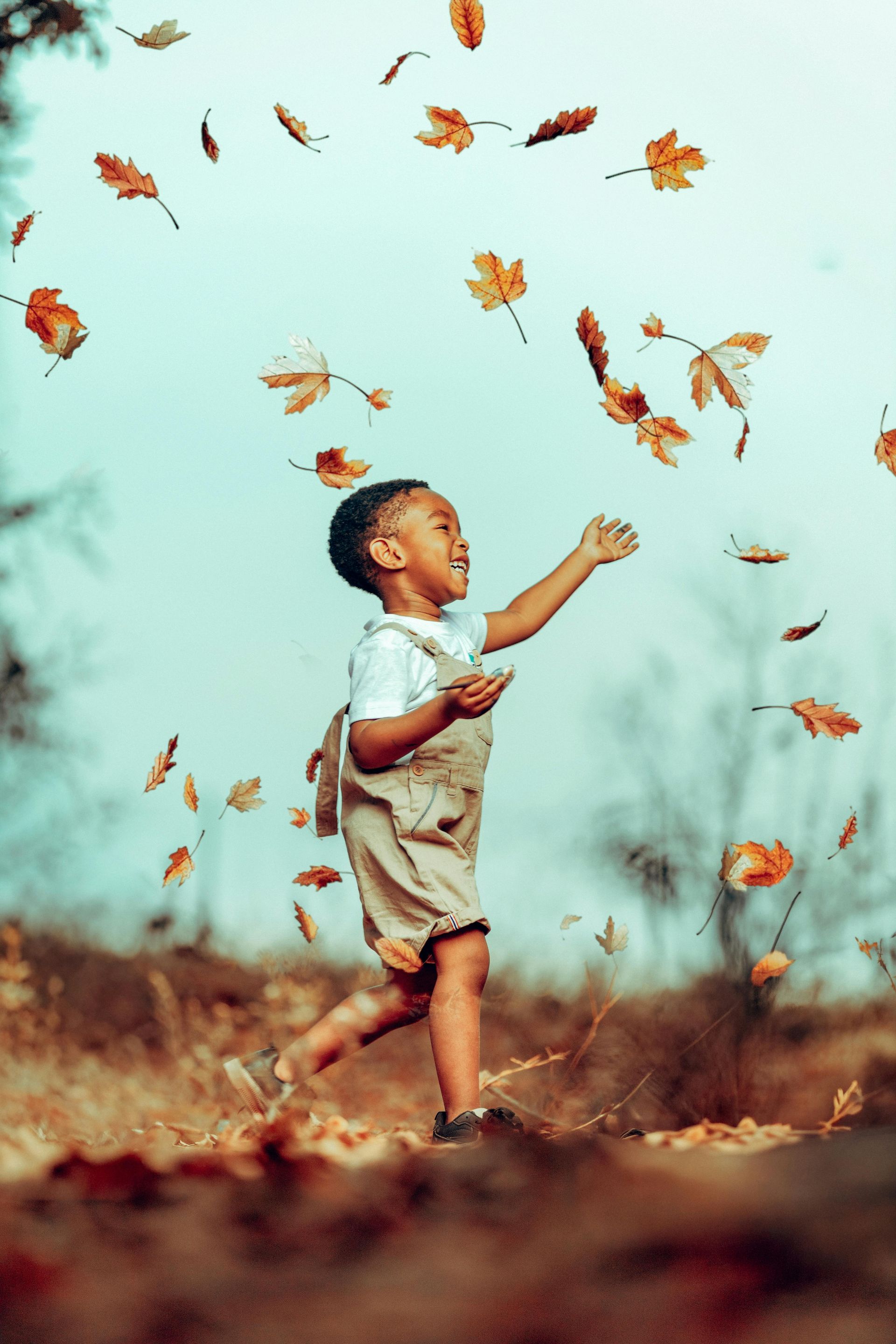
Spring is the perfect reminder that learning doesn’t only happen indoors. As the weather warms and nature comes alive, children are naturally drawn outside—ready to explore, observe, and engage with the world around them.


At Pincushion Hill, we embrace this season as an extension of the classroom. Outdoor time offers endless opportunities for discovery, from noticing buds on trees and watching insects at work to feeling the texture of soil and hearing birds return for the season.


Outside, children strengthen gross motor skills through running, climbing, and balancing. They build curiosity and observation skills as they explore natural materials, and they practice care and responsibility when tending to gardens or outdoor spaces. Every moment becomes meaningful learning.


Spring also invites connection—working together in the fresh air, sharing discoveries with friends, and developing a deeper appreciation for the environment. These experiences help children feel grounded, calm, and inspired.

As we step into this season of growth, we celebrate the simple joy of being outside. Nature is one of the greatest teachers, and spring gives us the perfect classroom.
By Alison Petersen April 7, 2026
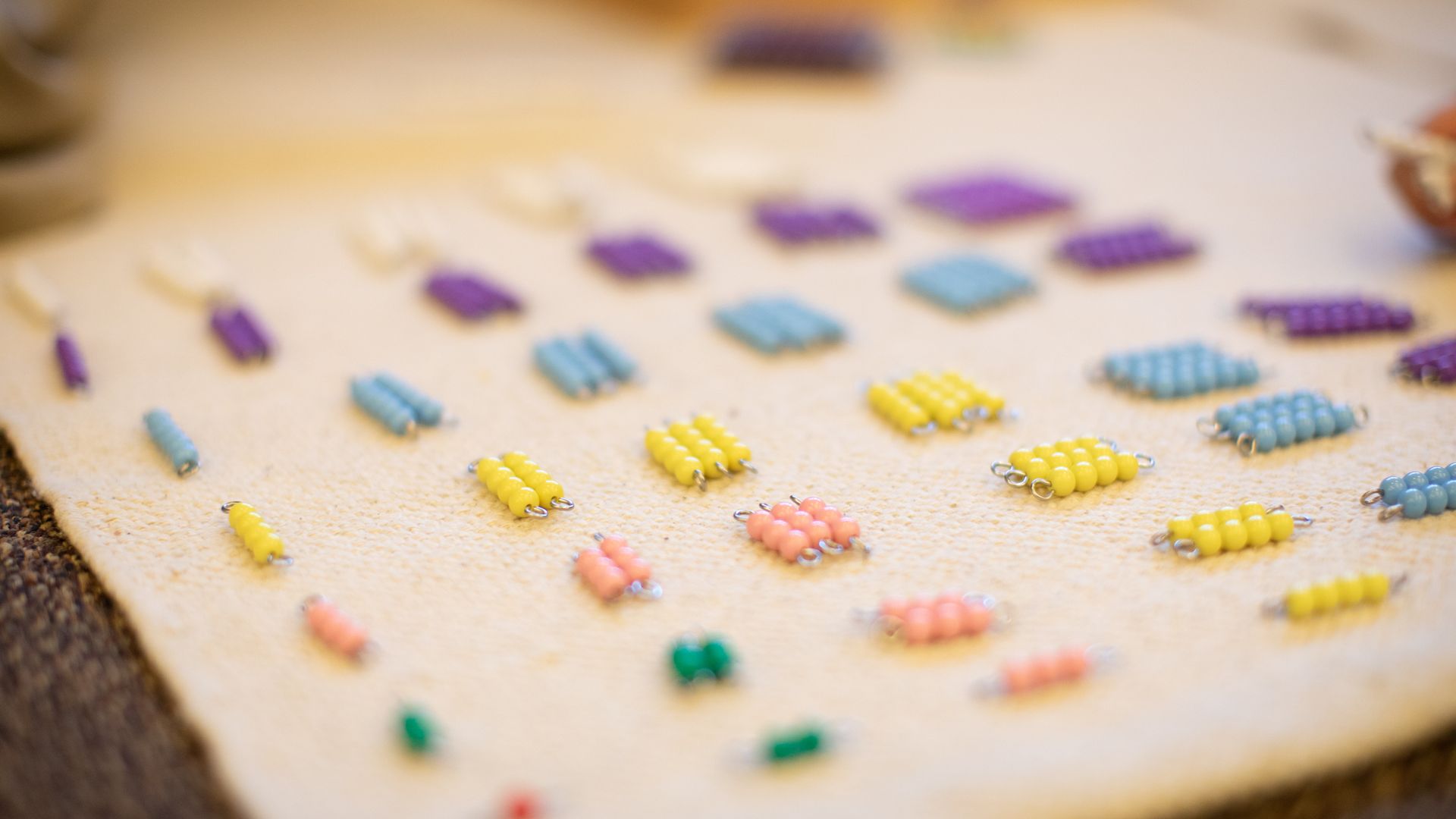
A Montessori approach to being screen-free is grounded in the belief that children learn best through real-world, hands-on experiences, especially in the early years. Rooted in the work of Maria Montessori, this philosophy recognizes that young children build understanding through movement, exploration, and meaningful interaction with their environment. Rather than passively receiving information from a screen, children are actively engaged—touching, manipulating, observing, and discovering. In a screen-free Montessori setting, learning is not rushed or overstimulated. Children are given the time and space to concentrate deeply, repeat activities, and develop a sense of mastery. They engage in practical life tasks such as pouring, sorting, preparing food, and caring for their surroundings—experiences that foster independence, coordination, and confidence. This approach also supports social and emotional development. Without screens, children are more present with one another, learning to communicate, collaborate, and navigate relationships in real time. They develop patience, resilience, and an authentic connection to the world around them. By minimizing screens, Montessori environments protect the natural rhythm of childhood—encouraging curiosity, imagination, and a lifelong love of learning grounded in real experience. What Does a Screen-Free Montessori Environment Look Like? Hands-on materials: Children learn through tactile, purposeful activities that engage the senses Practical life experiences: Pouring, cleaning, food preparation, and self-care build independence Uninterrupted work cycles: Time for deep concentration and meaningful engagement Movement and choice: Children are free to move, choose work, and follow their interests Rich social interaction: Conversation, collaboration, and conflict resolution happen in real time Connection to nature: Outdoor exploration, gardening, and seasonal awareness are part of daily life What We Encourage Instead of Screens Reading and storytelling Art, music, and creative expression Building, puzzles, and open-ended play Outdoor time and exploration Meaningful conversations and shared experiences These choices create an environment where children are not just entertained—but truly engaged, capable, and connected to the world around them.
By Alison Petersen February 3, 2026
The Pink Tower is one of the most recognizable and beloved materials in Montessori classrooms—and for good reason. Simple, beautiful, and deceptively powerful, it lays a foundation for a whole lot of learning.